
Chemical vs. Organic Weed Killers. How do I choose?
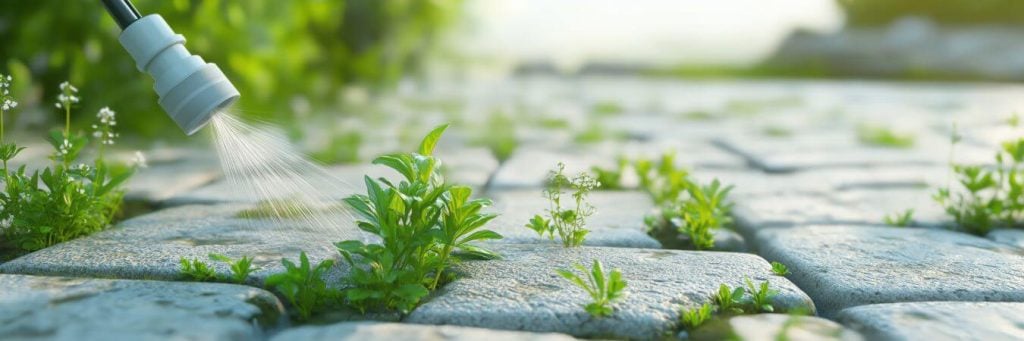
Every Kiwi battling weeds on their driveway, in the garden, or on the farm knows the struggle is real. You want to clear the mess, get on top of the problem, and keep it that way, but which product is the best choice? We’ve taken a deep dive into two common weed killer types: the chemical workhorse and the fast-acting organic alternative. This guide breaks down what they are, how they work, and helps you figure out which one is the right tool for your particular job.
The Chemical Workhorse: Glyphosate-Based Weed Killer
This type of Chemical Weed Killer is a non-selective herbicide, meaning it’s designed to control a broad range of weeds and grasses. It’s a systemic solution, which is its big superpower. Instead of just killing the leaves, it travels throughout the entire plant, right down to the root system. How It Works: The active ingredient, glyphosate (typically at a concentration of 360g/L), is absorbed through the plant’s green foliage. From there, it’s translocated to the roots, where it prevents the production of essential amino acids, causing the plant to “starve to death”. This is why you don’t see instant results. The wilting and browning typically appear 7 to 14 days after application. This delay is a crucial part of its effectiveness, as it ensures the entire plant is eradicated, preventing regrowth from the roots. Using It Safely and Effectively:- Dilution: For general weed control, a 1–2% solution is recommended, which is about 10–20 mL of concentrate per litre of water.
- Application: Use a low-pressure sprayer to ensure even coverage of the foliage without runoff.
- Timing: For best results, apply to actively growing weeds. Don’t mow or cut the weeds for at least a week after spraying to give the herbicide time to translocate to the roots. It becomes rainfast in about 6 hours.
- Safety: Keep people and pets away from the area until the spray has completely dried. After application, it becomes inactivated on contact with soil, so it won’t prevent you from planting new seeds later on. Be sure to clean your sprayer thoroughly after use, as glyphosate can be mildly corrosive to metal over time.
The Organic Knockdown: Fatty-Acid-Based Weed Killer
In contrast, the “Organic Weed Killer” is a non-selective herbicide made from natural fatty acids, derived from coconut. Its main benefit is speed. It’s a contact-based solution, designed for quick results on the weeds it touches. How It Works: The natural fatty acids work by disrupting the plant’s cell membranes on contact. This causes the weed to rapidly lose water and dry out. The effect is incredibly fast, with visible wilting and browning often appearing within a few hours on a warm, sunny day. However, this fast action comes with a trade-off: because it doesn’t travel to the roots, larger or perennial weeds can and often will regrow, so you’ll need to re-apply it. Using It Safely and Effectively:- Dilution: This is a concentrate, so it must be diluted with water first. The typical dilution is between 1:3 and 1:6 parts water.
- Application: The key here is a thorough spray. You need to drench the foliage until it’s completely wet, as the product only works where it touches the plant.
- Timing: It’s most effective on warm, sunny days, and becomes rainfast in about 2 hours after drying.
- Safety: The term “organic” doesn’t mean it’s harmless. The concentrate can cause skin and eye irritation, and it’s classified as “Harmful to aquatic life with long lasting effects”. Always wear gloves and eye protection. Once it has dried on the weeds, it is safe for pets and children to re-enter the area.

The Verdict: Which One Should You Use?
Choosing between a chemical and an organic weed killer isn’t about one being “better” than the other; it’s about matching the tool to the job.| Feature | Weed Killer (Chemical) | Organic Weed Killer |
|---|---|---|
| Active Ingredient | Glyphosate | Natural Fatty Acids |
| Mode of Action | Systemic (kills roots) | Contact (kills foliage) |
| Time to Result | 7–14 days | 1–2 hours on a sunny day |
| Long-Term Control | Permanent eradication, little regrowth | Roots can regrow, requires repeat application |
| Best for… | Large areas, clearing for new planting, persistent weeds | Spot treatments, driveways, paths, quick cleanups |
-
 -14% OFFPOWERFUL6 reviews
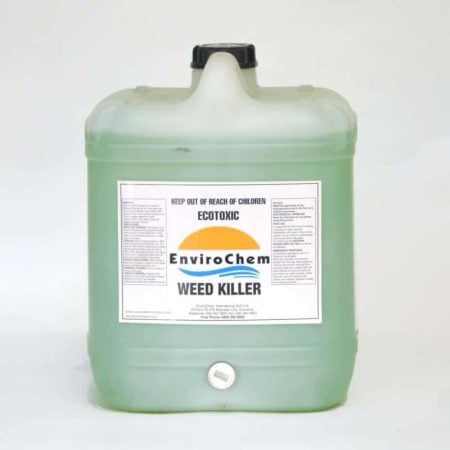
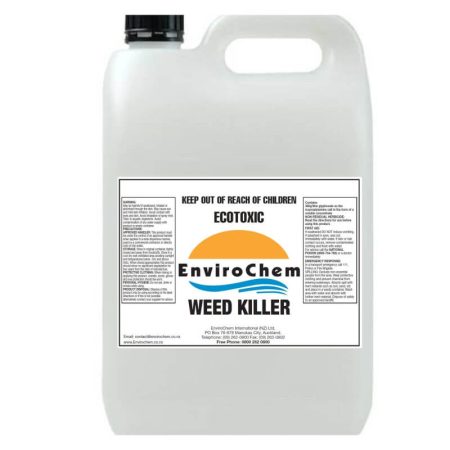
Weed Killer (Chemical)
$115.00 Incl. GST$98.90 Incl. GST This product has multiple variants. The options may be chosen on the product page -
-42% OFFFAST ACTING7 reviews
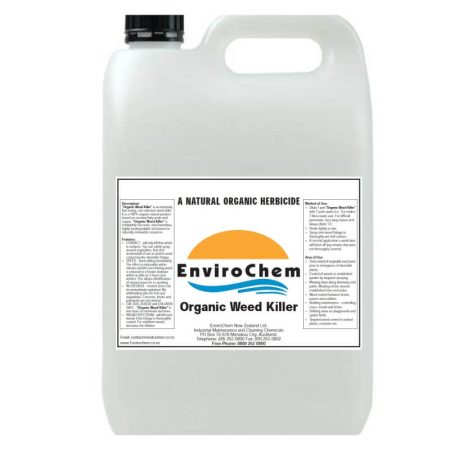
Organic Weed Killer Concentrate
$195.00 Incl. GST$113.90 Incl. GST This product has multiple variants. The options may be chosen on the product page