

NZ Industrial Chemical Guide: Safety, High-Concentration & Compliance
In the New Zealand industrial landscape, efficiency is defined by the potency of your chemistry. ChemShop provides the high-concentration formulas that power NZ’s primary industries, – from Northland dairy farms to Otago automotive workshops. This guide is your technical blueprint for mastering the ChemShop Advantage: reducing cost-per-wash, maintaining rigorous WorkSafe compliance, and utilising precision dilution for maximum ROI.
The ChemShop Advantage: We Don’t Ship Water
Most retail and entry-level trade cleaners are pre-diluted, meaning a significant portion of what you pay for is water and unnecessary freight. ChemShop industrial formulas are engineered at maximum concentration. By shipping ‘Active-Only’ chemistry, we enable New Zealand businesses to slash plastic waste and reduce their carbon footprint while significantly lowering their total cost-per-diluted-litre.
-
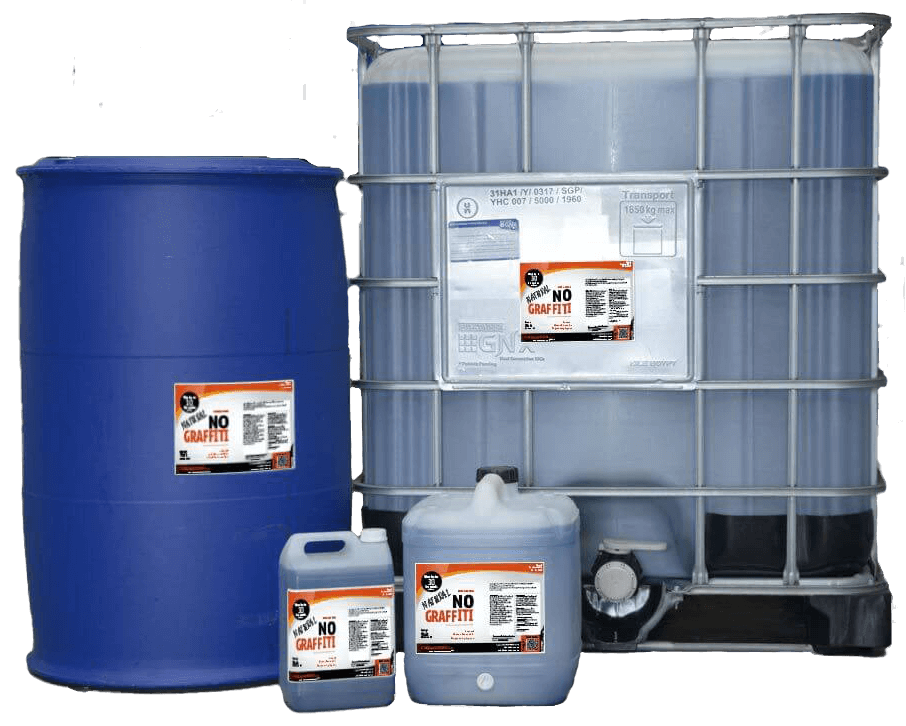
Maximize Your Yield: Transform a single 20L drum into hundreds of litres of professional-grade solution.
-
Sustainability-First: Drastically reduce single-use plastic consumption and on-site waste.
-
Trade-Strength Results: Potency designed for NZ's toughest environments, from grease-heavy workshops to MPI-regulated food zones.
The ChemShop Dilution & Yield Matrix
| ChemShop SKU & Type | Trade Ratio | Total Yield (from 20L) | Primary Application |
|---|---|---|---|
| SaniquatsMPI Food-Area Sanitiser | 1:500 (2ml per 1L) |
10,020 Litres | No-rinse sanitising for food-prep surfaces. |
| Enviro SafeEco-Friendly Maintenance | 1:100 | 2,020 Litres | Sustainable light-duty cleaning & wiping. |
| Groom AllMulti-Purpose & Glass | 1:75 | 1,520 Litres | Streak-free windows, mirrors & light soils. |
| Truck BriteHeavy Duty Fleet Wash | 1:40 | 820 Litres | Commercial truck, van & machinery maintenance. |
| Multi-CleanIndustrial Degreaser | 1:10 | 220 Litres | Workshop floors, engine bays & heavy grime. |
Always follow the A.A. Protocol: Add Acid (Concentrate) to Water. Never pour water into a concentrated chemical. Adding water to concentrate can cause an exothermic reaction, resulting in hazardous splashing or toxic vapours. Ensure correct PPE is worn as specified in Section 8 of the product SDS.
ChemShop High-Concentrate vs. Retail Ready-to-Use (RTU)
| Product Type & Ratio | Retail RTU (750ml) | ChemShop RTU (750ml) | Total Saving |
|---|---|---|---|
|
Saniquats (MPI Sanitiser) Ratio 1:500 (2ml/1L) |
$9.50 | $0.0075 Sub-1-Cent | 99.9% SAVE |
|
Groom All (Glass & General) Ratio 1:75 |
$8.00 | $0.05 | 99.3% SAVE |
|
Truck Brite (Fleet) Ratio 1:40 |
$14.50 | $0.09 | 99.3% SAVE |
|
Multi-Clean (Degreaser) Ratio 1:10 |
$12.50 | $0.34 | 97.2% SAVE |
Safe Storage: Meeting NZ WorkSafe Standards
As a PCBU (Person Conducting a Business or Undertaking), you have a primary duty of care to ensure hazardous substances are stored safely. Under the Health and Safety at Work (Hazardous Substances) Regulations 2017, your storage solution must prevent environmental contamination and minimise the risk of fire or chemical reaction.
-
Secondary Containment (Bunding): Any hazardous liquid must be stored on a bund (spill pallet) capable of holding 110% of the largest container's volume.
-
Incompatible Segregation: Never store Class 3 Flammables (Solvents) with Class 5 Oxidisers. They must be separated by distance or a physical fire-rated barrier.
-
Site Signage: If you exceed 'threshold quantities' of hazardous substances, compliant Hazchem signage must be displayed at your site entrance.
Chemical Class Segregation Guide
| Substance Class | Keep Away From… | Hazard / Reaction Risk |
|---|---|---|
| Class 3: Flammables (Solvents, Degreasers) | Class 5: Oxidisers | Extreme risk of intense fire or explosion if substances mix. |
| Class 8: Corrosives (Acids & Alkalis) | Class 3: Flammables | Corrosives can degrade flammable containers, leading to catastrophic leaks. |
| Class 6: Toxics (Poisons) | Staff Breakrooms / Food Storage | High risk of cross-contamination or accidental ingestion/inhalation. |
| Class 8: Acids | Class 8: Alkalis (e.g. Bleach/Caustics) | Violent neutralisation reaction; can release toxic gases like Chlorine. |
NZ Hazardous Substance Storage (HSNO)
If you store hazardous liquids, you must have secondary containment to protect the environment from leaks. In New Zealand, your bund (spill pallet or tray) must be able to hold 110% of the largest container stored on it. This is a primary focus for WorkSafe inspectors during site audits.
For food processing and hospitality, chemicals must be MPI-approved. ChemShop products clearly state their MPI category (e.g., C31, C32) on the label and within the technical downloads. This ensures your sanitising protocols meet New Zealand food safety standards.
Storing incompatible chemicals together is a major fire and safety risk. For example, Class 3 Flammables (Solvents) must be stored away from Class 5 Oxidisers. Refer to the segregation table in our guide to ensure your dangerous goods store meets NZ standards.
Precision Mixing with the ChemShop Dilution Calculator
How to Locate Your Safety Data Sheets (SDS)
Under the Health and Safety at Work (Hazardous Substances) Regulations 2017, a PCBU (Person Conducting a Business or Undertaking) must ensure that the current SDS for a hazardous substance is readily accessible to any worker who may be exposed. At ChemShop, we make this ‘Audit-Ready’ by hosting documentation directly where you need it.
Find Your Product:
Use our site search to navigate to the specific chemical you are using (e.g., Saniquats or Heavy-Duty Degreaser).
Open the 'Downloads' Tab:
On the product page, scroll down to the information tabs and select 'Downloads'. (Just after the 'Message Us for Bulk Orders' button.)
Instant PDF Access:
Click the link to view or print the 16-section, GHS-compliant SDS, including NZ-specific EPA approval codes and HSNO classifications.
Resources & Compliance
WorkSafe NZ Hazardous Substances Calculator:
EPA NZ Hazardous Substance Search:
-
MPI Register of Approved Maintenance Compounds:
-
WorkSafe NZ Statutory Registers:
Health and Safety at Work (Hazardous Substances) Regulations 2017:
Safe Work Instruments (SWIs) – WorkSafe:
Link: WorkSafe SWI Directory
Final Summary: Your PCBU Chemical Compliance Checklist
-
SDS Accessibility: Are GHS-compliant Safety Data Sheets available to all staff within 10 minutes? (Check our product 'Downloads' tab if you have gaps).
-
Bunding Compliance: Do all liquid storage areas have secondary containment (bunds) capable of holding 110% of the largest container?
-
The A.A. Protocol: Are staff trained to always Add Acid (Concentrate) to Water to prevent exothermic splashing?
-
PPE Synchronization: Does your onsite PPE match the requirements listed in Section 8 of the product SDS?
-
HSNO Segregation: Are incompatible classes (e.g., Flammables vs. Oxidisers) separated by the required regulatory distance?
-
Threshold Signage: If your volumes exceed threshold limits, is there visible Hazchem signage at every site entrance?
-
Precision Dilution: Is the ChemShop Dilution Calculator being used to ensure correct mix ratios and cost-efficiency?
In 2026, the NZ industrial market is moving toward Technical Transparency. By providing high-concentration formulas alongside instant SDS access and digital dilution tools, ChemShop enables a ‘Compliance-First’ culture.
This approach doesn’t just save money, it secures the safety of the New Zealand workforce.