

NZ Grazing Guide: When Can Livestock Return After Using Chemical Weed Killer?
Quick Summary for NZ Farmers & Lifestyle Blockers
In New Zealand, glyphosate is a non-residual herbicide, but for the best results and animal safety, you should follow these withholding periods:
- Annual Weeds: Wait 1 day before grazing or cultivating.
- Perennial Weeds: Wait 3 days to allow the chemical to reach the roots.
- Toxic Weeds (Ragwort/Hemlock): Wait 14 days or until weeds are completely brown and “dead-off.”
- Dairy Cows: Industry best practice is a 3-day stand-down for treated pastures.
Managing a New Zealand lifestyle block or farm requires a careful approach to pasture management. A common question regarding livestock grazing after spraying is: “What is the actual glyphosate withholding period for my animals?”
Under the ACVM Act and MPI guidelines, glyphosate is classified as a non-residual herbicide. This means it becomes inactive once it hits the soil. However, the safety of your livestock and the success of your weed control depend on the “translocation” period—the time the plant needs to absorb the spray.
Recommended NZ Withholding Periods
To align with Good Agricultural Practice (GAP) in NZ, we recommend these specific intervals based on your pasture goals and stock type:
| Situation | Recommended Wait Time | Why? |
|---|---|---|
| Annual Weeds (e.g. Chickweed) | 1 Day | Fast uptake; allows the chemical to become rainfast and begin working. |
| Perennial Weeds (e.g. Thistles, Dock) | 3 Days | Required for the herbicide to travel deep into the root system for a permanent kill. |
| Toxic Weeds (e.g. Ragwort, Hemlock) | 14 Days | Critical Safety: Wilting toxic weeds become sweet and highly palatable to stock. Wait for full “brown-out.” |
| Dairy Grazing | 3 Days | Industry standard to ensure zero residue risk and maximum pasture efficacy. |

The “Palatability Trap” in NZ Paddocks
In New Zealand, the greatest risk to livestock isn’t usually the chemical itself, but the weeds it is killing. As weeds like Ragwort, Hemlock, and Foxglove begin to die, their sugar content spikes.
- The Danger: These toxic plants, which sheep and cattle usually avoid due to bitterness, suddenly become attractive “candy” while wilting.
- The Timing: This risk is highest between days 3 and 10 after spraying.
Industry experts at Massey University recommend keeping stock out until these plants are “necrotic”—meaning they are completely brown, dry, and brittle.
Why Wait? Efficacy vs. Safety
Delaying livestock grazing after spraying isn’t just for animal health; it’s for weed control efficacy. If animals graze the green leaves off too early (especially on perennials like Californian Thistle), the root system won’t die, and your weeds will simply grow back.
Safety Tips for NZ Lifestyle Blockers
- Wait for it to Dry: At a bare minimum, never let animals into a paddock until the spray has completely dried on the leaf to avoid skin and mouth irritation.
- Check for “Spray Drift”: Ensure your spray doesn’t drift into neighboring paddocks where stock are currently grazing.
- Water Safety: Do not allow livestock to drink from troughs or ponds if there is a risk of spray contamination. Glyphosate is toxic to aquatic life.
Safety First: If you suspect an animal has ingested wet herbicide or is showing signs of distress (salivation or diarrhea), contact your local NZ veterinarian immediately.
Looking for effective weed control in NZ?
Shop our NZ-Made Chemical Weed Killer here
-
 -14% OFFPOWERFUL6 reviews
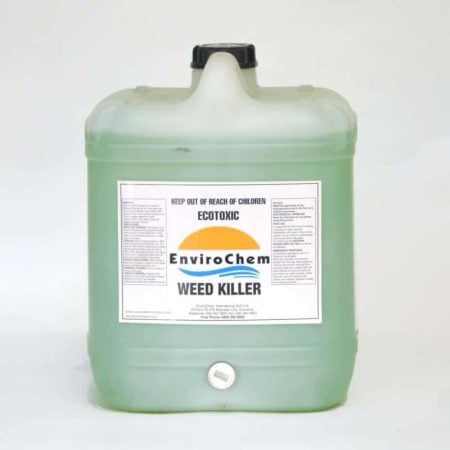
Weed Killer (Chemical)
$115.00 Incl. GST$98.90 Incl. GSTAdd to Cart This product has multiple variants. The options may be chosen on the product page -
-42% OFFFAST ACTING7 reviews
Organic Weed Killer Concentrate
$195.00 Incl. GST$113.90 Incl. GSTAdd to Cart This product has multiple variants. The options may be chosen on the product page -
-50% OFFMPI ApprovedMULTI PURPOSE23 reviews
Sodium Hypochlorite Disinfectant Sanitiser Solution XY Plus
$89.00 Incl. GST$44.90 Incl. GSTAdd to Cart This product has multiple variants. The options may be chosen on the product page -
-23% OFFMPI APPROVEDHEAVY DUTY23 reviews
Manure Dung Cleaner Cow Mate
$129.00 Incl. GST$98.90 Incl. GSTAdd to Cart This product has multiple variants. The options may be chosen on the product page